-
Kastalsky Requiem: Program Notes
Vasily Polikarpovich Titov (c.1650–c.1715) – Cherubic Hymn; Megalynarion Vasily Titov was one of two leading composers of Russian Baroque music, the other being Nikolai Diletsky (c. 1630–80). Titov’s life and work mark the mid-point of the process of Russia’s musical Westernization, which gained new momentum during the reign of Tsar Peter the Great (1689 –1725).
-
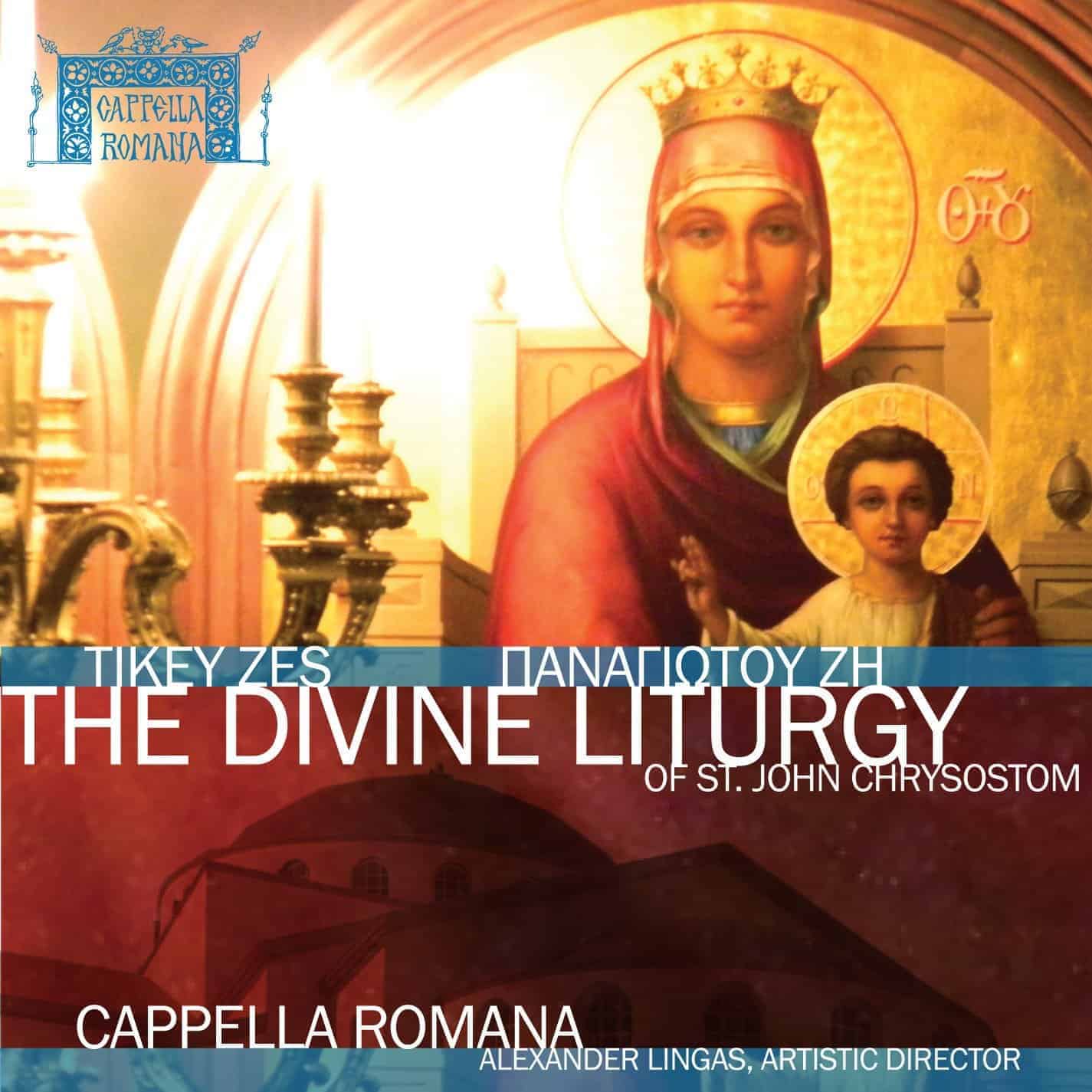
Echoes of the Renaissance — Program Notes
In his magisterial The Rise of European Music, 1380–1500, Reinhard Strohm traces the development and dissemination of complex styles of music written with multiple voice parts using measured (‘mensural’) notation that enabled precise rhythmic coordination of the voices. By the middle of the fifteenth century the most notable centers for the production of this polyphonic
-
Sacred Songs of Serbia — Program Notes: Part Two
Sacred Songs of Serbia Serbian Chant and Church Choral Music Part One Polyphonic singing appeared for the first time in Serbian churches in the 1830s as a result of European and Russian influence. The expansion of newly organized Serbian church choirs was enormous and very soon the main problem was the lack of indigenous sacred
-
Sacred Songs of Serbia Program
Rejoice, all ye western lands, Stichera, Tone I, from the Service in Honour of the Holy King Stefan of Dečani (+ 1331), melody from monastery Hilandar manuscript /3,08’ The Magi, kings of Persia, Stichera, Tone V, from the Christmas Vespers, Traditional Serbian Chant / 3, 20’ Holy, holy, holy, great, from the Liturgy

You must be logged in to post a comment.